Bridging the generational divide and the growing importance of fostering intergenerational dialogue is more relevant than ever. Today, we navigate a world where five, sometimes six, generations coexist and collaborate in workforces. With such diversity of age, experience, and perspective, the potential for both friction and innovation is immense.

Elders
Liberating Structures; Collaboration on Steroids
This summer, I had the unique opportunity to spend time with some of the most well-known and sometimes, outspoken, thought leaders in the age space who offered two entirely different learning structures for their events. I gained a new perspective on collaboration and learning.
The All-important factor: Personal Connection
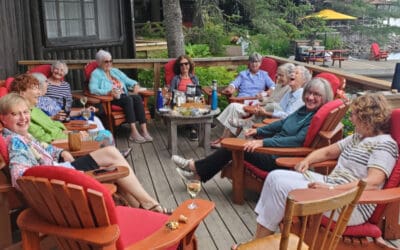
As we age, we need to create new traditions and new meanings for our changing lives in order to feel fulfilled and relevant. The get-togethers of friends can be as simple as meeting to play cards, or discussing books or politics, but such gatherings are essential to us, especially in later life.
Mind Your #AgeSpeak
While attending a professional conference recently, I had the opportunity to catch up with colleagues whom I haven’t seen in a long time. Since I only see many of these colleagues at this annual event, chatter about work, family, and health is at the forefront. At this particular conference, my ear was especially tuned in to what I call #AgeSpeak. I define it as any phrase or comment that makes a reference to a person’s age that perpetuates ageism.
Communications Across Our Mixed-age Society
I’m continually learning to be cautious about the terms I use when talking with others. For instance, I didn’t realize that my use of the word “generation”, or “generational” was often unhelpful or counterproductive. Why? Because it implies inherent differences that tend to “other” generations.
Age Liberation. It’s time!
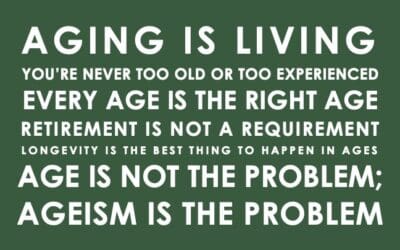
Age equity is a social justice issue. It’s more relevant than ever, especially in a world that is ageing rapidly. Ageing adults deserve to be respected and accorded the same rights as others. It’s going to take a movement to set the record straight.
What does retirement AGE have to do with retirement?
When the retirement age of 65 was first conceived, the average lifespan was 62, the current average is 82 and it’s growing longer all the time. Ask yourself, does it make sense, for reasons of age alone, to discard or disregard, the knowledge, expertise, and wisdom of our olders?
Calling all shutterbugs! All levels of experience welcome.
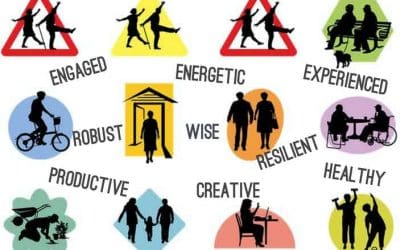
I frequently invite participants in our workshops to describe what “old” looks like to them. Typically, two out of three words offered have negative connotations which conjure up images of decrepit, solitary, and vulnerable individuals. It used to surprise me, but it no longer does.
Action Needed Now!
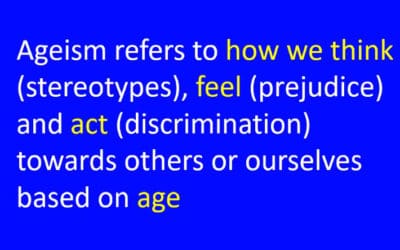
In honour of the International Day of Older Persons on Oct. 1, Top Sixty Over Sixty hosted a session on ageing and ageism. The general consensus after an hour long discussion on how to deal with ageism was quite straightforward. The time has come to move beyond raising awareness about the issue to more action.
Ageism, the unspoken issue at election time in Canada
With an upcoming election, it is surprising that so little attention is being given to how ageism undermines the value, potential, and vital contributions of Canada’s older generations: the generations, who incidentally are those who always come out to vote.
The power of words and images
What is the first image that you conjure up when you think of someone who is elderly?
Never Too Late to be What You Might Have Been
We don’t all need to be heroes. But as human beings on this planet, we all need purpose. And, increasingly, older people are choosing a different kind of retirement, one that focuses on fulfilling some purpose.